Stachybotrys requires a different level of response than common surface molds. Every service below reflects that.
🔍
Black Mold Identification & Assessment
Visual black or dark green coloring doesn't always mean Stachybotrys. We confirm species via lab analysis before applying the enhanced protocol. Some black-appearing molds are Cladosporium or Aspergillus niger — still warrant removal, but different containment tier.
😷
Full PPE & Containment Setup
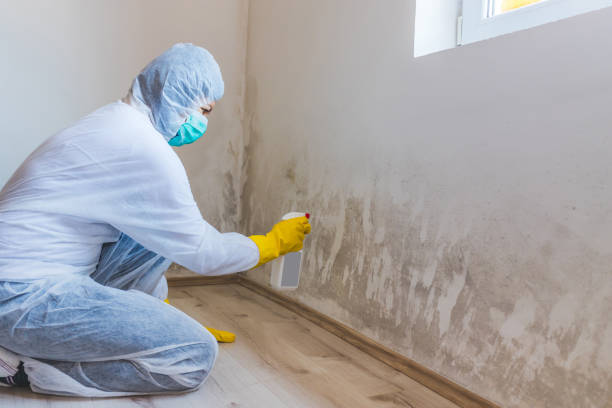
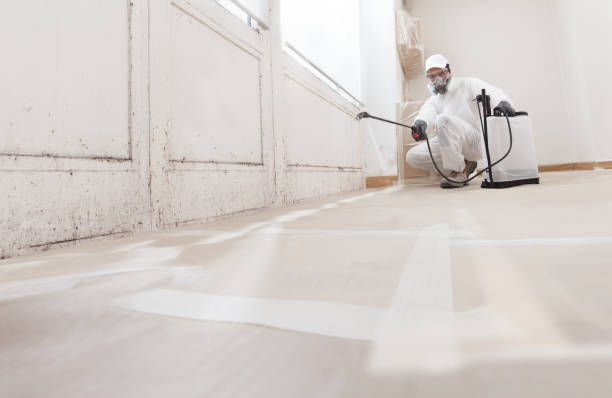
Full body PPE, double polyethylene containment, negative air pressure, and sticky mat decon — this is the setup before a single piece of black-mold-contaminated material is disturbed in your Farmingdale, NJ property.
🔨
Complete Stachybotrys Material Removal
Stachybotrys on drywall, ceiling tiles, or subflooring means those materials must be removed — not treated in place. The mycotoxin-containing material itself is the hazard, and surface biocides don't render it safe or remove it from your Farmingdale property. We remove contaminated materials, bag them in heavy-duty poly, and dispose of them through proper waste channels.
💧
Structural Surface Treatment & Encapsulation
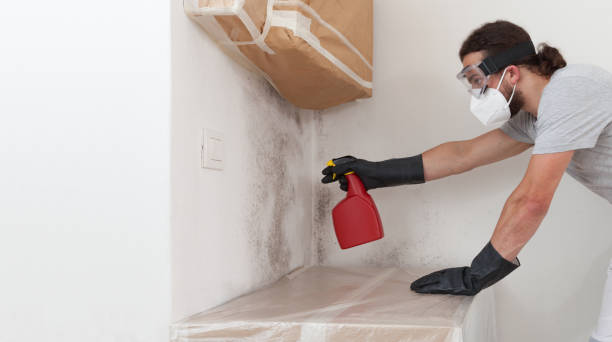
Post-removal structural treatment: HEPA vacuum of framing surfaces, EPA fungicide application, and encapsulant sealing of treated wood. The most thorough protocol available for Farmingdale properties with confirmed black mold.
📋
Independent Post-Removal Air Testing
Independent IH clearance sampling after every Black Mold Removal job. Written lab report confirming post-removal air quality — not just our assessment that the work is done.
🏗
Moisture Source Identification & Correction
Black mold doesn't grow without a chronic moisture source. We find it, document it, and tell you exactly what needs to be fixed. Removal without source correction in your Farmingdale property means we'll see the same problem again in 6–12 months.